How To Integrate GMP with ISO or HACCP
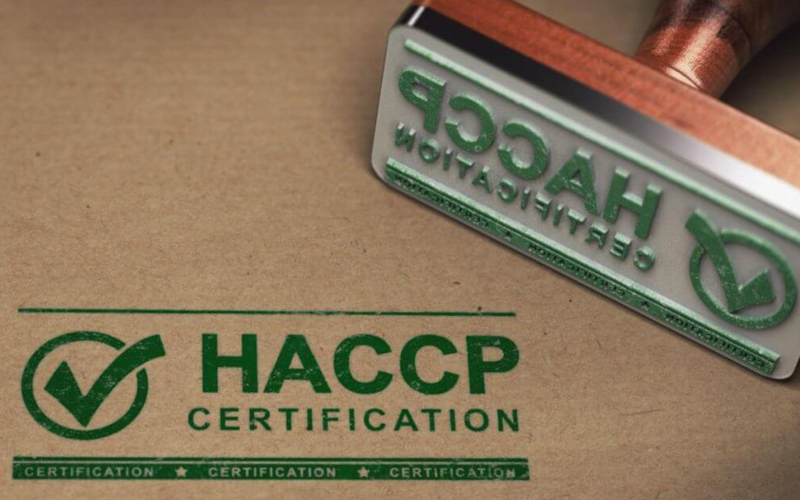
HACCP Certification in Malaysia: Everything You Should Know About
HACCP stands for Hazard Analysis and Critical Control Point and refers to a system that owners can use to ensure that their food is safe for consumption. A food company can demonstrate its commitment to food safety by pursuing HACCP certification.
In Malaysia, MS 1480:2019 Food Safety According to Hazard Analysis and Critical Control Point (HACCP) System describes the requirements to ensure food safety during preparation, processing, manufacturing, packaging, storage, transportation, distribution, handling or offering for sale or supply in any sector of the food chain.
What is HACCP Certification?
If you own a food business, you understand the importance of food safety. After all, you want your customers to be comfortable eating your product. This is why so many people seek HACCP certification. HACCP is a globally recognised programme that assists brands in ensuring the safety of their food. There are numerous advantages to becoming certified that can be obtained by adhering to the HACCP 7 principles:
1. Hazard Analysis Management
This entails inspecting your food manufacturing process and identifying any areas where food safety may be jeopardised. After identifying these risks, you must implement controls to mitigate them. This could include things like educating your employees about food safety or installing an industrial dishwasher etc.
2. Determination of Critical Control Points (CCP)
CCP is a step in the food production process where preventative measures can be implemented to prevent, reduce, or eliminate a food safety hazard, such as biological contamination, physical contamination or chemical contamination. There are critical control points at every stage of the process, from the time the ingredients are purchased to the time the product is consumed. You must then implement specific controls to ensure that these steps are carried out safely and effectively.
3. Determination of Critical Limits
Critical Limits are the maximum and minimum limits for the chemical, physical, and biological contaminations determined in Step 2. By setting Critical Limits, you can ensure that these hazards are kept under control at all times.
4. Critical Control Points Monitoring
This is the stage at which you implement a system to monitor the performance of your critical control points. This includes things like temperature logs and product testing on a daily basis. By doing so, you can ensure that your food safety controls are functioning properly.
5. Corrective Action Assessment
This is where you decide what steps to take if a critical control point fails to meet its target limit. This could include things like product recalls or increasing monitoring frequency.
6. Verification
This is where you set up a system to ensure that the controls you’ve implemented are effective. Audits, for example, could be part of this.
7. Record Keeping
This is where you store all of the information gathered from your hazard analysis and critical control point monitoring. This data can be used to gradually improve your food safety programme.